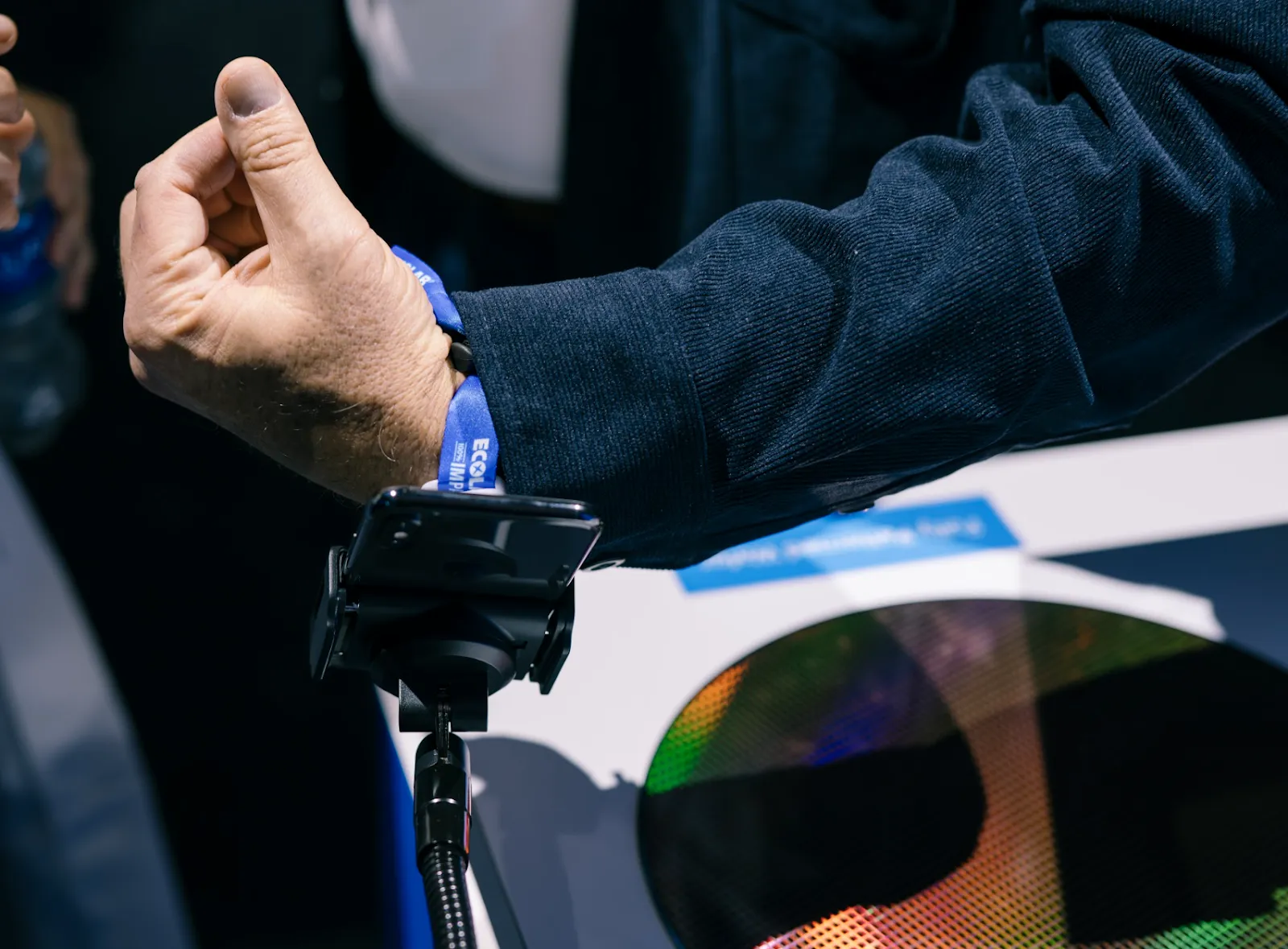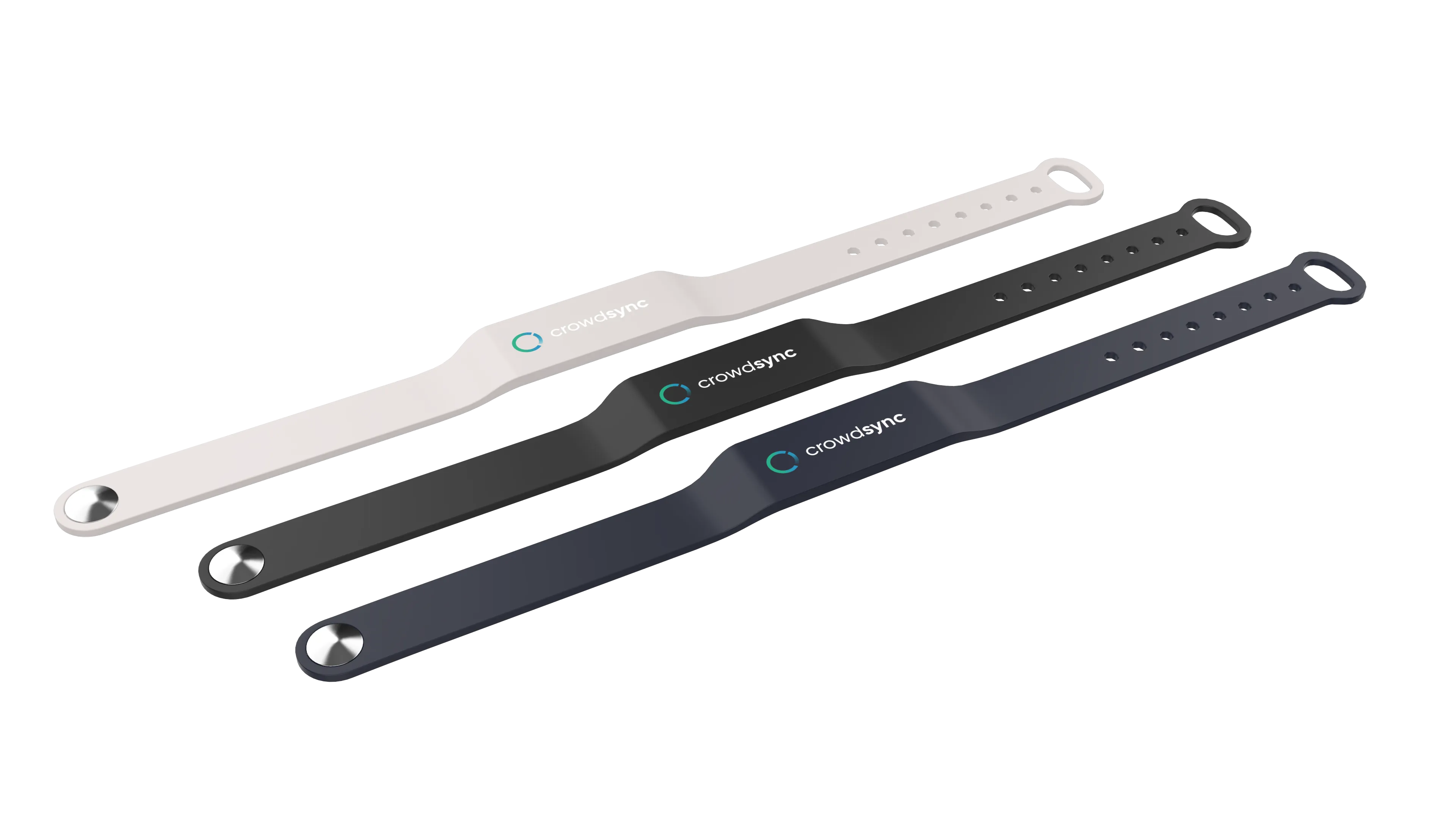
Cover image for NFC vs RFID vs QR Code: Which Event Technology Is Right for You?
Back to Blog

Technology

NFC vs RFID vs QR Code: Which Event Technology Is Right for You?

A practical comparison of NFC, RFID, and QR code technology for events — covering speed, cost, security, and best use cases for each.

BC

Bryana Clark

3 min read
NFCRFIDQR CodeEvent TechnologyAccess Control

Choosing the Right Credential Technology

Event organizers today have three main options for attendee credentialing: NFC (Near Field Communication), RFID (Radio-Frequency Identification), and QR codes. Each technology has strengths and trade-offs, and the right choice depends on your event type, budget, and goals.

NFC at a Glance

  • Read Range — 1–4 cm (tap-based)
  • Speed — Under 1 second
  • Cost per Unit — $0.50–$3.00
  • Security — Encrypted, hard to clone
  • Reusable — Yes
  • RFID at a Glance

  • Read Range — Up to 10 meters (passive)
  • Speed — Under 1 second
  • Cost per Unit — $0.10–$1.50
  • Security — Variable, can be cloned
  • Reusable — Yes
  • QR Code at a Glance

  • Read Range — Camera-dependent
  • Speed — 2–5 seconds
  • Cost per Unit — Near zero (printed)
  • Security — Easy to screenshot and share
  • Reusable — No (single-print)
  • When to Use NFC

    NFC is the gold standard for events that need fast, secure, contactless interactions at close range. It is ideal for:

  • Access control — Tap a badge at a gate for instant, encrypted verification
  • Lead retrieval — Exhibitors tap attendee badges to capture contact info instantly
  • Cashless payments — Attendees load funds onto NFC wristbands for food and merch
  • Photo booths — Tap to trigger a photo and receive it digitally
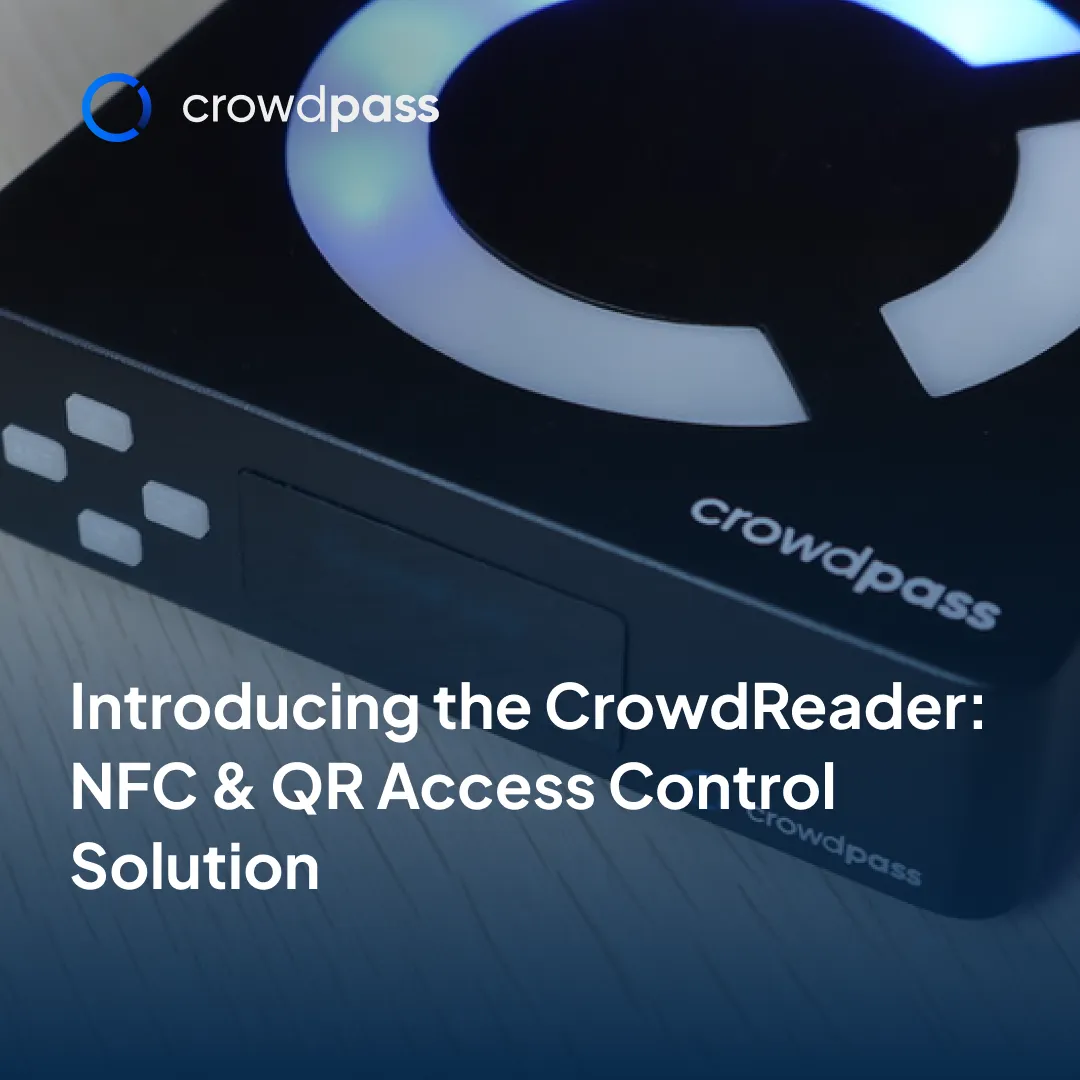
  • NFC requires purpose-built readers (like the CrowdReader) but delivers the best combination of speed, security, and attendee experience.

    When to Use RFID

    RFID is best when you need longer read ranges or passive tracking without requiring attendees to actively tap:

  • Festival wristbands — Passive RFID wristbands for high-volume gate entry
  • Crowd flow monitoring — Track attendee movement between zones without tap interactions
  • Asset tracking — Monitor equipment and inventory across a venue
  • The trade-off is lower security compared to NFC and the need for more expensive reader infrastructure.

    When to Use QR Codes

    QR codes are the most affordable option and work well for events with simpler needs:

  • General admission — Basic entry scanning with smartphones
  • Small events — Meetups, workshops, or networking events where speed is less critical
  • Budget-conscious organizers — No hardware cost beyond a smartphone or tablet
  • The downside is that QR codes are easy to share or screenshot, and scanning is slower than tap-based technologies.

    Hybrid Approaches

    Many events combine technologies. For example, CrowdPass supports NFC badges for VIP access control and QR codes for general admission — all managed from the same platform. This lets you allocate premium technology where it matters most while keeping costs down for simpler use cases.

    Making the Decision

    Ask yourself three questions:

  • How important is speed? If you need sub-second entry for thousands of attendees, NFC or RFID is essential.
  • How important is security? If preventing credential sharing or counterfeiting matters, NFC's encryption is the clear winner.
  • What is your budget? QR codes cost almost nothing. NFC badges cost $1–3 each but deliver a dramatically better experience.
  • For most professional events, NFC badges strike the best balance of speed, security, and attendee experience. And with platforms like CrowdPass, switching from QR codes to NFC is straightforward — the same dashboard manages all three credential types.
    Ready to upgrade your next event?

    Join thousands of event professionals who trust CrowdPass to deliver seamless, secure, and data-driven event experiences.