What Are Event Success Metrics?
Event success metrics are the key data points you gather to evaluate how successful your event was. These metrics could range from registration numbers and attendee engagement to post-event feedback.
Essentially, they provide a clear, measurable way to assess whether your event met its objectives.
Why Measuring Event Success Matters
Measuring success ensures you're not flying blind. Moreover, it provides clear, actionable insights to help improve future events, make informed decisions, and justify budgets.
Here are some reasons.
Core Metrics to Measure Event Success: A Detailed Overlook
Let's break down event metrics into three stages: Pre-event, during the event, and post-event. Each stage provides different but equally valuable insights.
Pre-Event Metrics: Laying the Foundation
Before the event starts, you're already collecting important data that helps predict your event's performance. The pre-event phase sets the foundation for tracking the event's success.
#### 1. Registration and Ticket Sales
One of the most obvious metrics to track is how many people are registering or purchasing tickets for your event. This is the first indicator of interest.
#### 2. Marketing Metrics: Engagement and Reach
Event marketing metrics are all about how well your marketing is performing. Event success often starts before the day of the event itself. Are people sharing your event on social media?
Use tools like Google Analytics and social media dashboards to track marketing effectiveness. These platforms can provide in-depth insights into what's driving interest in your event.
During the Event: Measuring Engagement in Real Time
Once your event is live, you'll want to measure how engaged attendees are. This gives you real-time feedback on whether your content and activities are hitting the mark.
#### 1. Interactive Games for Events
Adding interactive games for events can dramatically boost engagement. Whether it's live polls, quizzes, or interactive voting, these activities increase participation and give you instant feedback.
Events with interactive elements like polls and quizzes have 40% higher engagement rates than those without.
#### 2. Session Attendance
Observe whether attendees are participating in all the sessions they registered for and whether they are staying for the full duration or leaving early. Session check-ins are one of the important event success metrics for gauging how well the event agenda is engaging the audience.
#### 3. Social Media Activity During the Event
Monitor social media platforms for real-time feedback. Track how many people are tweeting, posting, or sharing updates about the event.
Ignoring negative feedback during the event can hurt your brand. Be proactive and address concerns in real time.
Post-Event Metrics: Evaluating Long-Term Success
The event may be over, but the work isn't done. Post-event success metrics provide the most critical insights. This is where you find out what worked and what didn't.
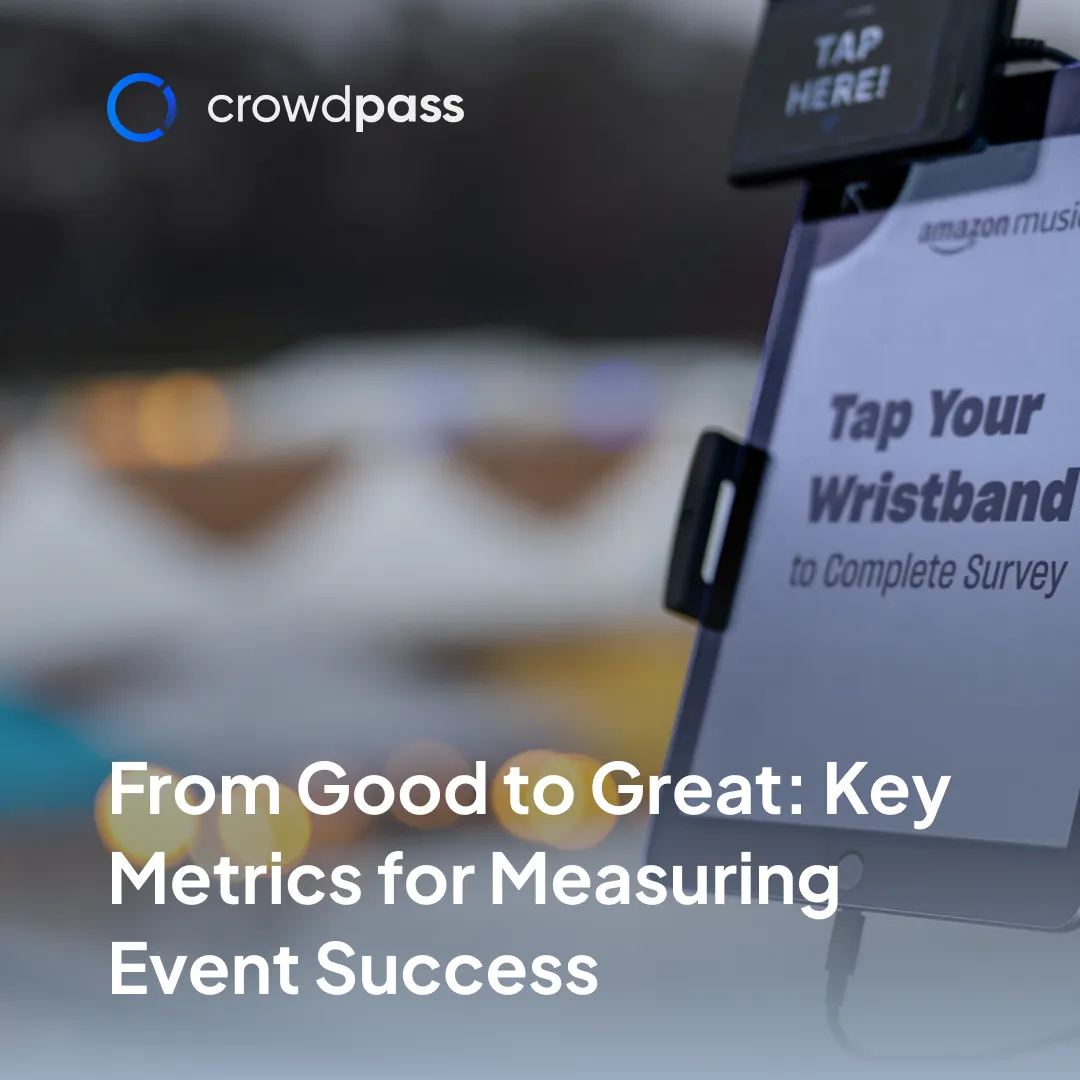
#### 1. Attendee Feedback and Surveys
Direct attendee feedback is gold. Surveys can tell you if your event delivered on its promises and what could have been better.
In the view of 64.6% of attendees, an event's venue can make or break the experience.
#### 2. Net Promoter Score (NPS)
NPS is a simple but powerful way to measure overall satisfaction and brand loyalty. Find out how likely attendees are to recommend your event.
NPS is calculated as: NPS = % promoters - % detractors
High NPS scores mean your event was well-received. Scores below 7 indicate that you need to reassess certain aspects of your event. An NPS of 30 indicates a healthy level of customer satisfaction with room for improvement.
#### 3. ROI and Financial Metrics
When all is said and done, the bottom line matters. Did you meet your financial goals?
Best Practices for Event Organizer Planners
It's one thing to gather event success metrics, but using them effectively requires strategy. Here are some best practices to consider.
Set Clear, Measurable Goals
You can't measure success if you don't know what you're aiming for. Before you even start planning your event, set clear goals and decide which metrics will best reflect whether you've met them.
Regularly Review and Adapt
Don't wait until after the event to start analyzing data. Check your metrics regularly throughout the planning and execution stages, and be ready to make adjustments if something isn't working. With the help of digital event management tools, you can get real-time insights to guide your decisions.
Engage Attendees for Feedback
Don't just observe; engage directly with your attendees to get real-time feedback. Use mobile apps for live polling, Q&A sessions, and feedback forms to gather immediate insights. This not only helps in measuring satisfaction but also makes attendees feel involved and valued.
Integrate Quantitative with Qualitative Data
While numbers from metrics like attendance and revenue are important, combine them with qualitative feedback to get a complete picture. Attendee testimonials, personal observations, and informal conversations can provide context that pure data sometimes misses.
Educate Your Team
Ensure that everyone involved in the event understands the importance of event success metrics and how to gather and interpret them. A well-informed team can effectively collect accurate data and also provide insights from the ground.
Leverage Technology
Make use of the latest event technology tools to streamline the collection and analysis of data. Whether it's event apps, registration software, or audience response systems, digital event management provides real-time insights and makes data management much more efficient.
Follow Up Post-Event
The event's conclusion is just the beginning of the next phase. Send out follow-up surveys, conduct debrief sessions with your team, and review all gathered data comprehensively. Use these insights to report back to stakeholders and plan better for future events.
Create a Continuous Improvement Plan
Based on the event success metrics and feedback, outline what worked and what didn't and develop a plan for continuous improvement. This plan should be a living document that evolves with each event and keeps you and your team aiming for higher standards.
Maximizing Event Success: Introduction to CrowdPass Capabilities
For event planners, success depends on how well you can manage and enhance the attendee experience. That's where CrowdPass comes in. Our powerful platform uses the latest technology to help you organize and run smooth and memorable events.
From easy entry using QR codes to managing how attendees interact within the event, it ensures every detail is covered.
Ease of Entry
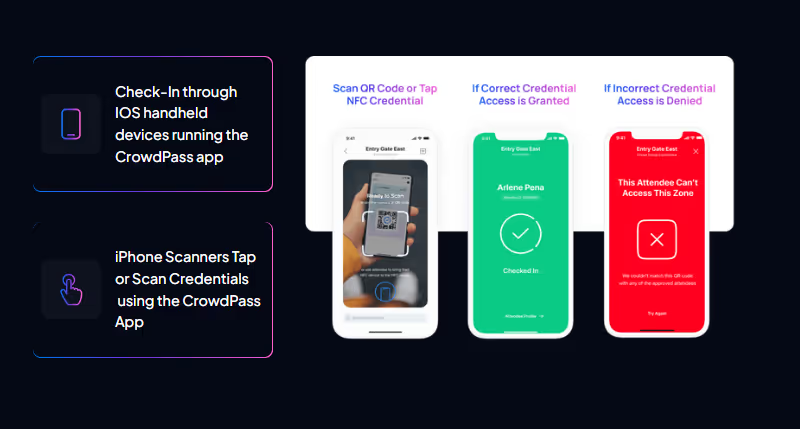
CrowdPass revolutionizes how attendees enter events. By using QR codes and NFC RFID wearables, attendees can check in quickly without long lines, making their first impression of the event a positive one.
Enhancing Security and Access Control
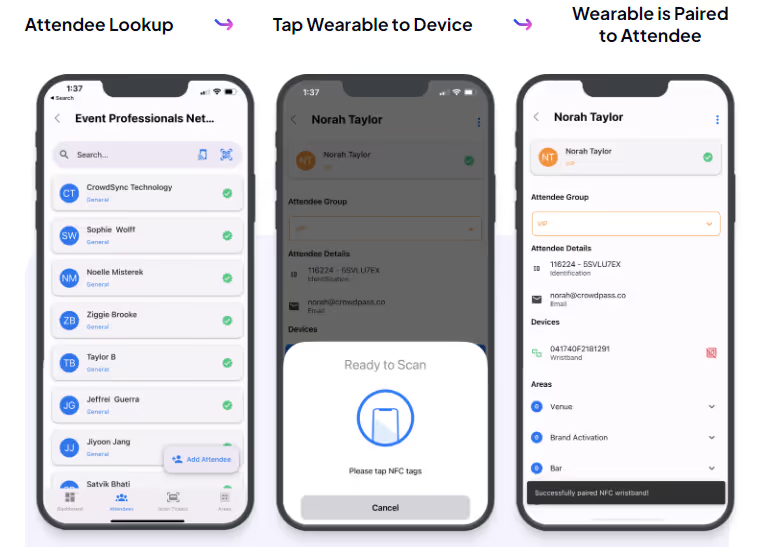
Security is crucial, and CrowdPass makes it robust yet straightforward. With customized access levels, attendees can move through different event zones securely and efficiently, guided by technology that ensures they are exactly where they need to be.
Engagement Through Interactive Technologies
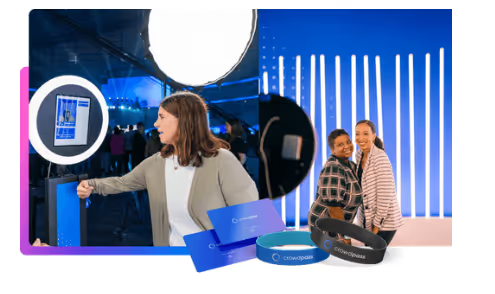
Interactive technologies like photo booths and live polls facilitated by CrowdPass not only entertain but also engage attendees. This interaction boosts their overall event experience and gives organizers real-time feedback on what's hot and what's not.
Seamless Integration with Other Platforms
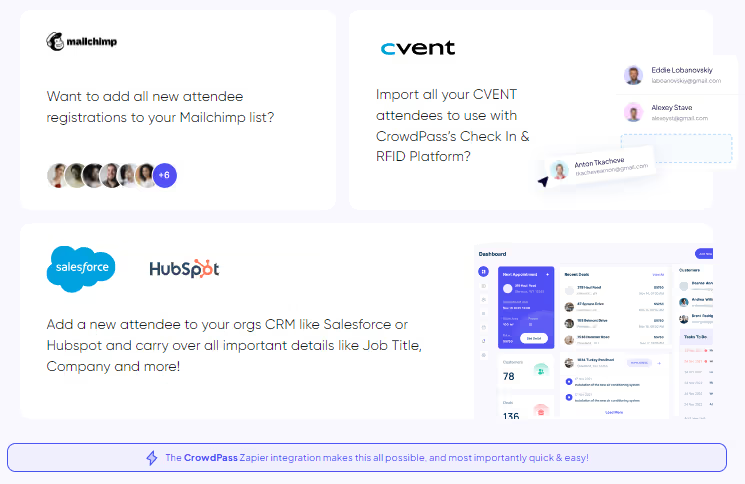
CrowdPass isn't a standalone tool. It seamlessly integrates with other applications, from CRM systems to marketing channels, ensuring that data flows freely and efficiently across your digital event management ecosystem.
Post-Event Analytics for Continuous Improvement
After the event ends, CrowdPass's analytics kick in, providing detailed insights into what went well and what could be improved. This information is crucial for planning future events that are even better and more personalized to attendee preferences.
CrowdPass is not just a tool; it's your partner in hosting successful events. Its comprehensive capabilities ensure that from start to finish, every aspect of your event is optimized for success. With it, you're equipped to deliver not just an event but an experience that attendees will remember.
Conclusion
Understanding the key event success metrics is crucial for making your event the best it can be. By setting clear goals, tracking attendance, calculating ROI, gathering attendee feedback, and assessing social media engagement, you can get a clear picture of how well your event did. These metrics help you understand what worked and what didn't, so you can improve for next time.
The more you know about how your event performed, the better you can plan for future events. Encourage feedback, keep an eye on your budget, and don't forget to check how many leads you generate. Every piece of information is valuable.
Frequently Asked Questions
What technologies are used for access control at large events?
Technologies like RFID, NFC, and QR codes are commonly used to manage access control, ensuring that attendees can securely and swiftly move to designated areas.
What types of analytics are crucial for evaluating event success?
Post-event analytics like attendee satisfaction rates, engagement levels, and financial metrics are crucial for assessing the overall success of an event.
What are some on-site technology solutions for unexpected changes at events?
On-site solutions include digital event management apps that allow real-time updates and adjustments, as well as kiosks for self-service registration and information.
What types of events can benefit most from advanced technology solutions?
All types of events, from corporate conferences and educational workshops to large public festivals and private parties, can benefit from technology solutions.
How can I improve attendee satisfaction at future events?
Utilize the feedback and data gathered to customize event elements more closely to attendee preferences and expectations. Continuous improvement based on solid data is key.